8 January 2026
📋 Video Summary
🎯 Overview
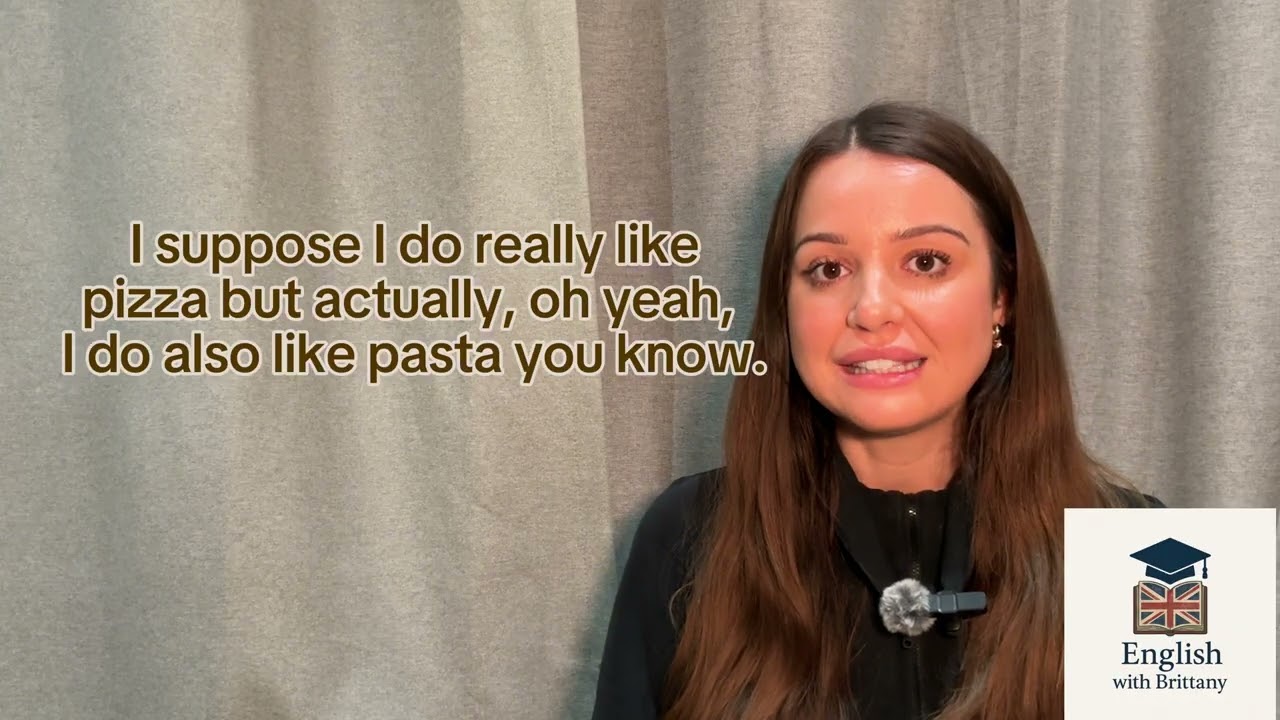
This video, titled "8 January 2026," is a lesson on British idioms. The presenter, Brittany, teaches viewers several common British expressions to help them speak more naturally and confidently. She provides definitions, examples, and a challenge to practice these idioms.
📌 Main Topic
Learning and using common British idioms in everyday conversation.
🔑 Key Points
- 1.Introduction to British Idioms [0:00]
- Using idioms helps to speak more naturally and confidently.
- 2."I'm knackered" [0:30]
- Often used when physically or mentally drained. - Example: "After that 12-hour shift, I was absolutely knackered."
- 3."Fancy a cuppa?" [1:00]
- Used when offering someone a drink, especially tea. - Example: "Oh, you've had a long day. Fancy a cuppa?"
- 4."That's not my cup of tea" [1:28]
- Used to politely express that something isn't to your taste. - Example: "Reality TV? No, that's not really my cup of tea."
- 5."I'm chuffed" [1:56]
- Used when happy with something you did or received. - Example: "I passed the exam. I'm chuffed to bits."
- 6."Let's have a chinwag" [2:21]
- Used when inviting someone for a casual conversation. - Example: "Come over for a cuppa and a chinwag."
- 7.The Idiom Challenge [3:17]
- They should create a short story or podcast using the chosen idioms in context. - The presenter offers feedback on the spoken task.
💡 Important Insights
- •Idioms add authenticity: Using idioms makes your speech sound more natural and helps you fit in. [0:07]
- •Focus on a few idioms: It's better to learn a few idioms well instead of trying to memorize them all at once. [3:09]
📖 Notable Examples & Stories
- •"After that 12-hour shift, I was absolutely knackered." [0:52] - Illustrates the use of "knackered" after a long, tiring day.
- •"Reality TV? No, that's not really my cup of tea." [1:47] - Shows how to use "That's not my cup of tea" to politely decline something.
- •"I passed the exam. I'm chuffed to bits." [2:13] - Demonstrates "chuffed" in the context of feeling proud.
🎓 Key Takeaways
- 1.Learn and practice common British idioms to improve your English fluency.
- 2.Choose a few idioms to focus on initially for better retention.
- 3.Apply the idioms in context through storytelling or conversation.
✅ Action Items (if applicable)
□ Review the provided PDF with additional idioms. □ Select 4-5 British idioms to learn. □ Create a short story or podcast using your chosen idioms.
🔍 Conclusion
The video provides a practical and engaging introduction to British idioms, encouraging viewers to incorporate them into their speech for a more authentic and confident communication style. The idiom challenge is a great opportunity to practice and improve.
Create Your Own Summaries
Summarize any YouTube video with AI. Chat with videos, translate to 100+ languages, and more.
Try Free Now3 free summaries daily. No credit card required.
Summary Stats
What You Can Do
-
Chat with Video
Ask questions about content
-
Translate
Convert to 100+ languages
-
Export to Notion
Save to your workspace
-
12 Templates
Study guides, notes, blog posts